



Acne Improves Month by Month : Proven Treatment Methods and Structured Acne Programs for Smooth, Clear Skin in Three Months.
Acne is a common skin concern that affects people of all ages, from teenagers to working adults. During periods of inflamed breakouts, acne can have a noticeable impact on confidence, making many people feel uncomfortable showing their bare face in public. Improper self-treatment may worsen the condition, leading to persistent acne and, in some cases, permanent scarring. In this article, we provide an overview of common acne types seen at different life stages, along with practical and appropriate treatment guidance. With the right approach and professional care, clearer and healthier-looking skin is achievable. Let’s explore the details.
Understanding Acne at Different Life Stages: Types of Acne (Comedonal Acne, Inflammatory Acne, Hormonal Acne)
Acne commonly seen in adolescents and working-age adults can be grouped into three main types: comedonal acne, inflammatory acne, and hormonal acne. Each of these types has distinct characteristics and underlying causes.
Comedonal acne develops when the skin produces excess oil, which accumulates and clogs the pores, forming trapped debris. This type of acne appears as whiteheads or blackheads.
Inflammatory acne occurs when clogged pores become inflamed, causing redness and swelling of the surrounding skin. This process is triggered by bacteria naturally present in the pores (Cutibacterium acnes, formerly P. acnes), which stimulate inflammation. Affected areas may be painful to the touch and, in some cases, may contain pus. Severe cases can progress into larger, deeper lesions.
Hormonal acne typically appears along the chin, jawline, and lower face. It is associated with hormonal fluctuations, particularly elevated androgen levels such as testosterone, which increase oil production in the skin. This can lead to recurring breakouts, with new acne lesions often developing soon after previous ones have subsided.
Differences Between Teenage Acne and Adult Acne (Young Acne vs. Adult Acne)
Teenage acne is primarily caused by increased levels of sex hormones (androgens) during puberty. These hormonal changes stimulate the sebaceous glands to produce more oil than normal. When excess oil combines with dead skin cells, pores become clogged, leading to inflamed acne lesions.
Adult acne is often linked to hormonal imbalance, chronic stress, insufficient sleep, or the use of skincare and cosmetic products that clog the pores. Unlike teenage acne, adult breakouts tend to be more persistent and may recur over time.
In addition, acne can be influenced by genetic factors, stress, diets high in sugar and fat, and environmental conditions such as pollution and dust, which may irritate the skin and make it more sensitive. Proper acne treatment should begin with a medical evaluation to identify the underlying causes and receive recommendations tailored to your skin. Effective acne management and faster improvement of post-acne marks always start with understanding the specific factors contributing to each individual’s acne.
Treatment and Prevention of Recurrent Acne
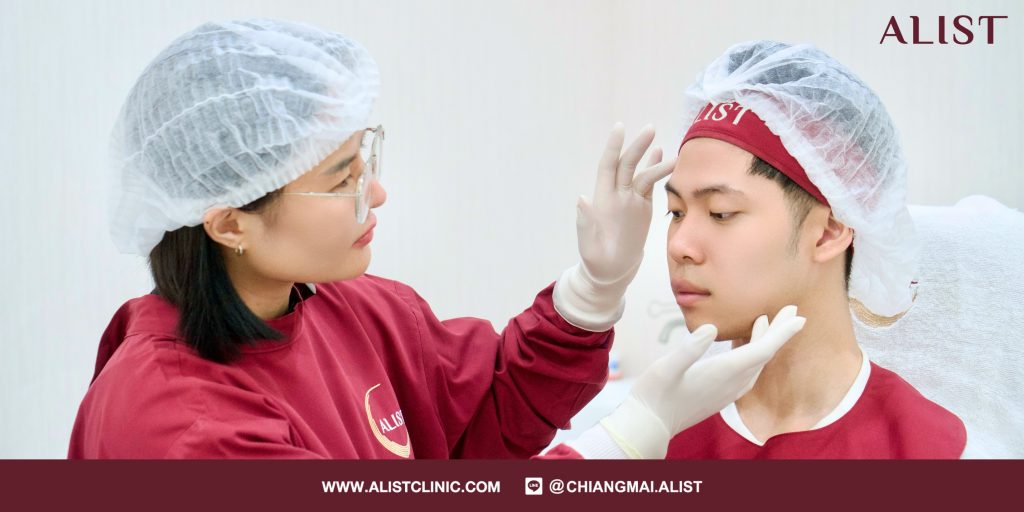
If your acne has not been persistent for more than 3–6 months and appears only as a few blemishes, it can often be managed with basic self-care, such as using spot treatments and cleansing the face regularly. However, if these methods do not improve the condition and acne continues to recur or becomes more severe, it is advisable to seek professional consultation for proper assessment.
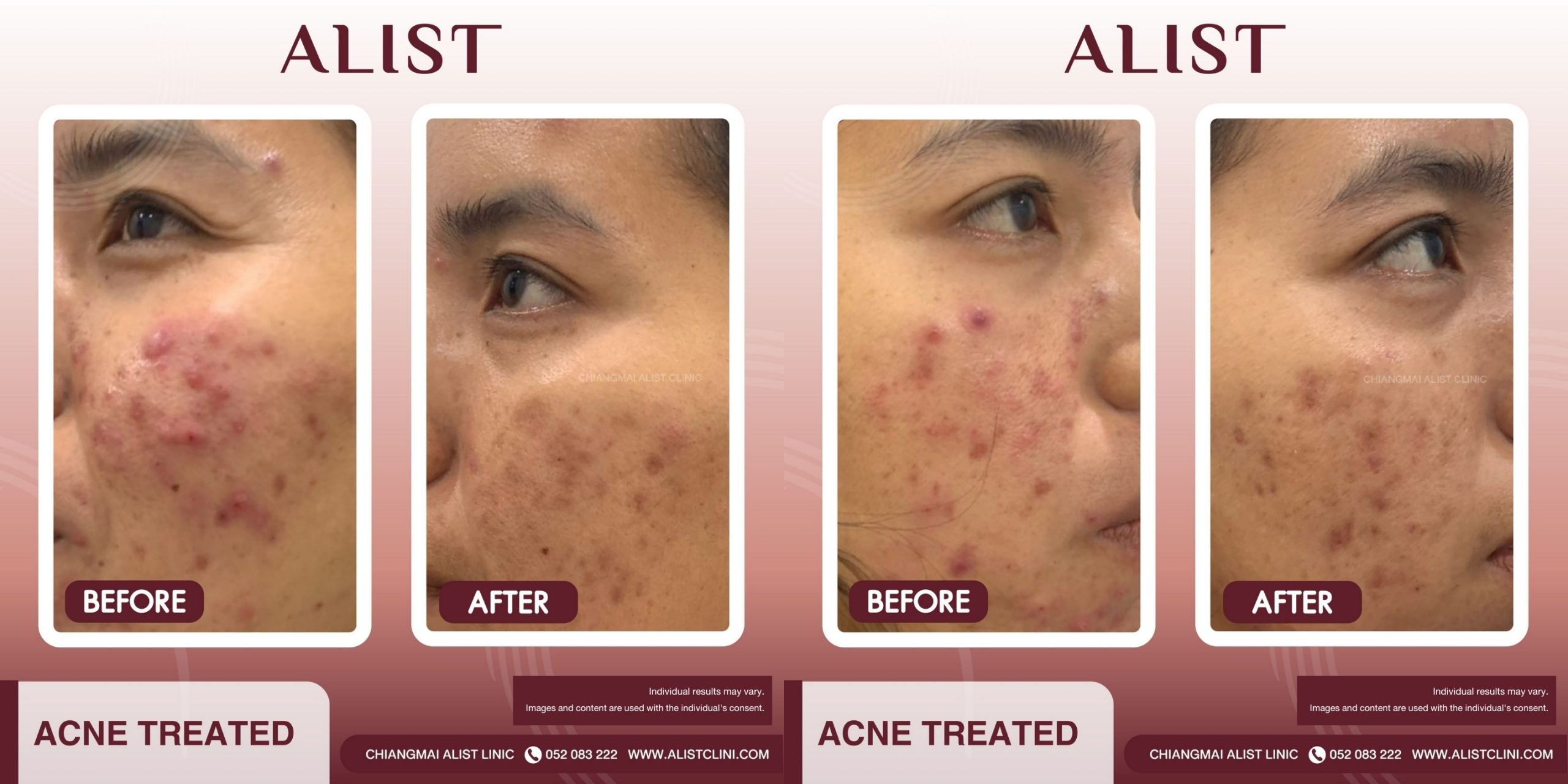
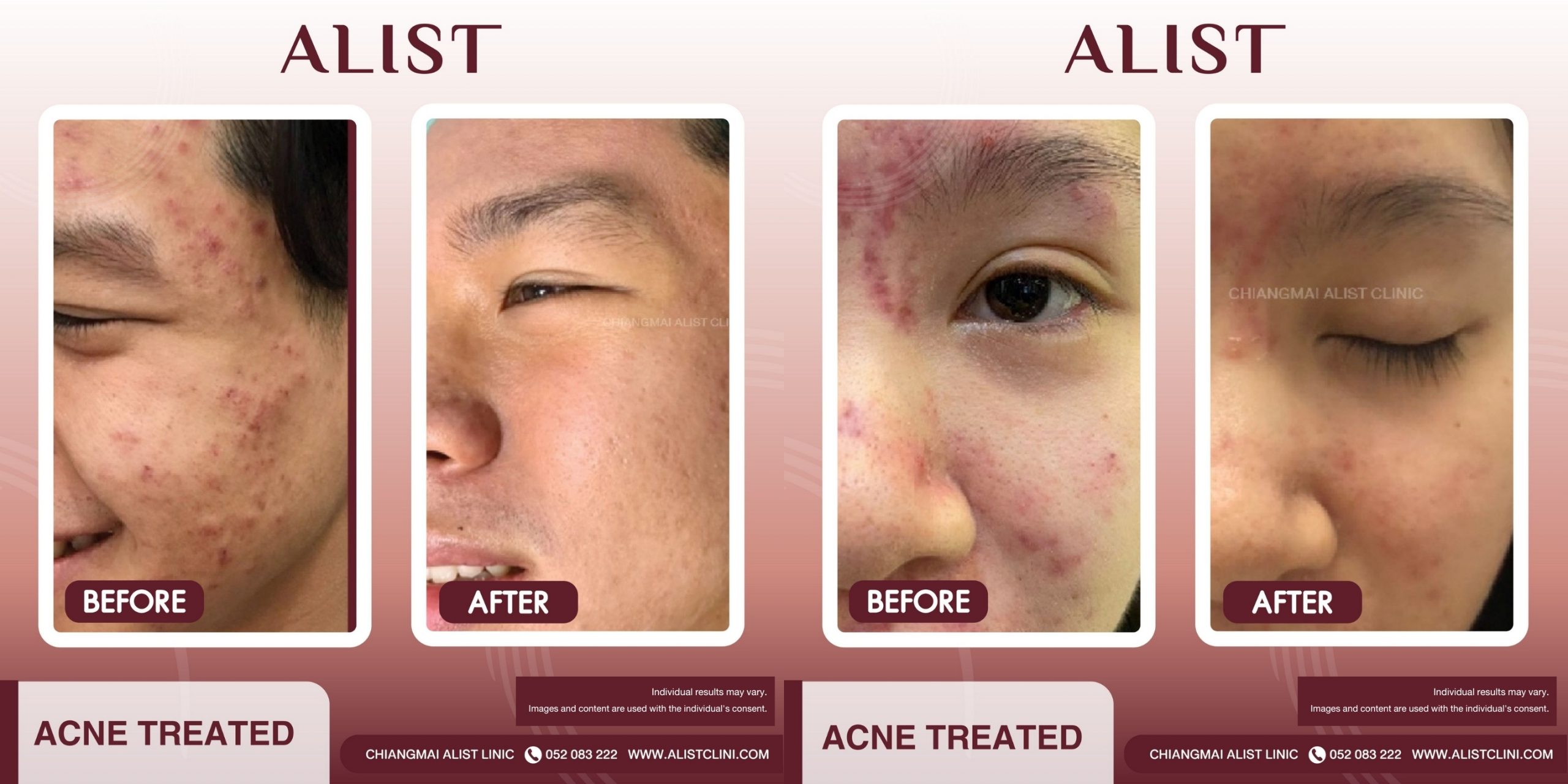
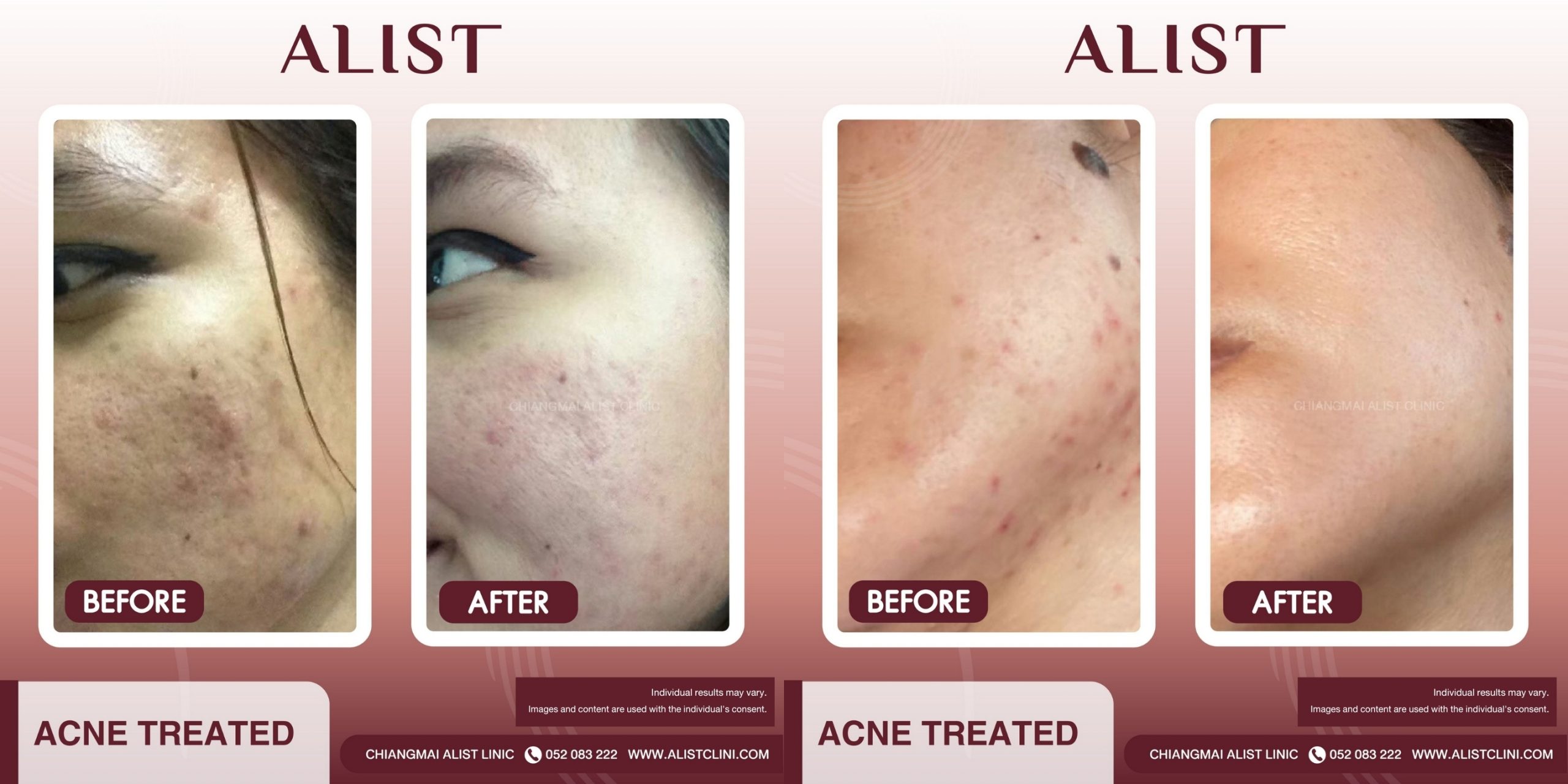
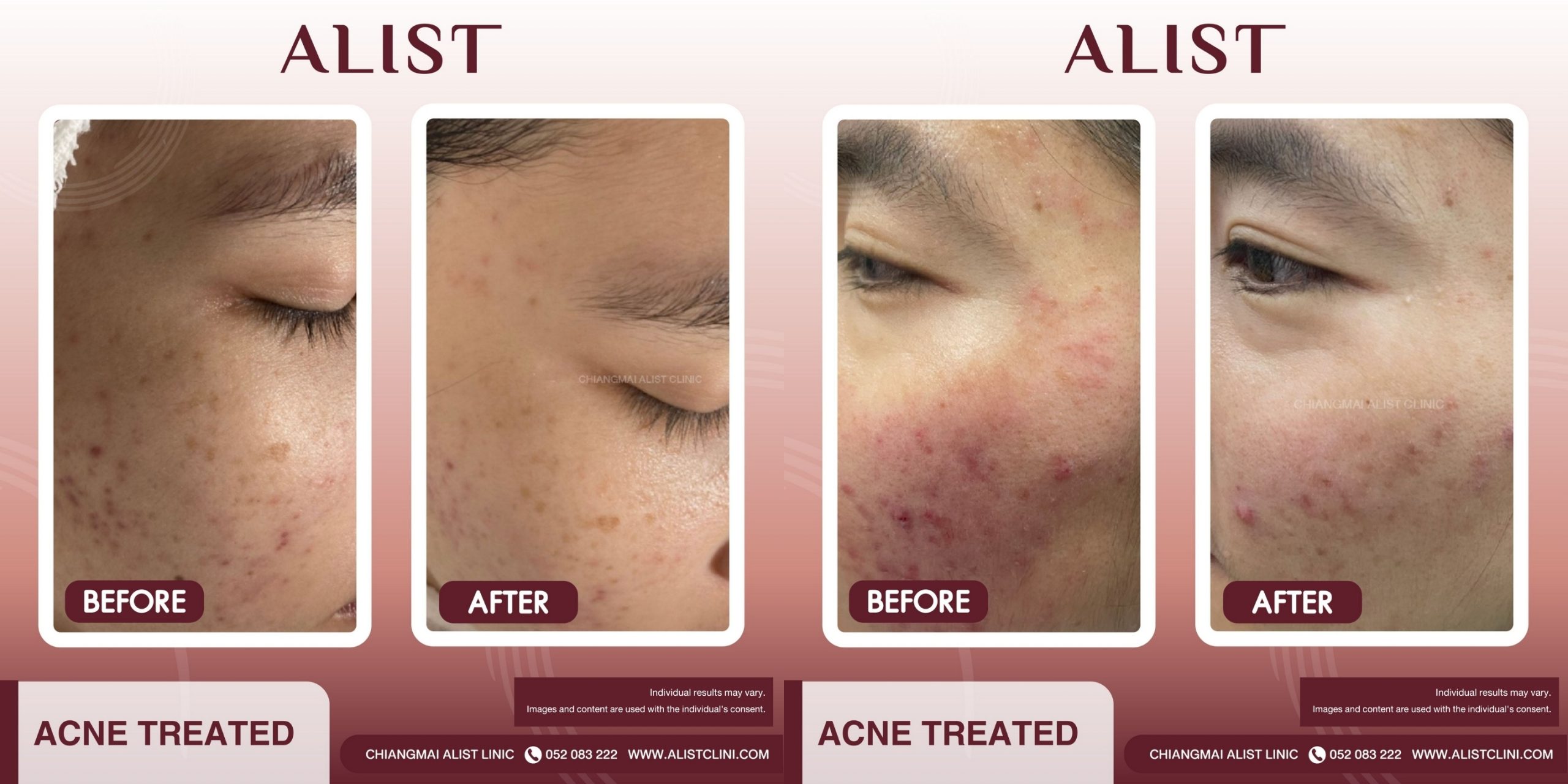
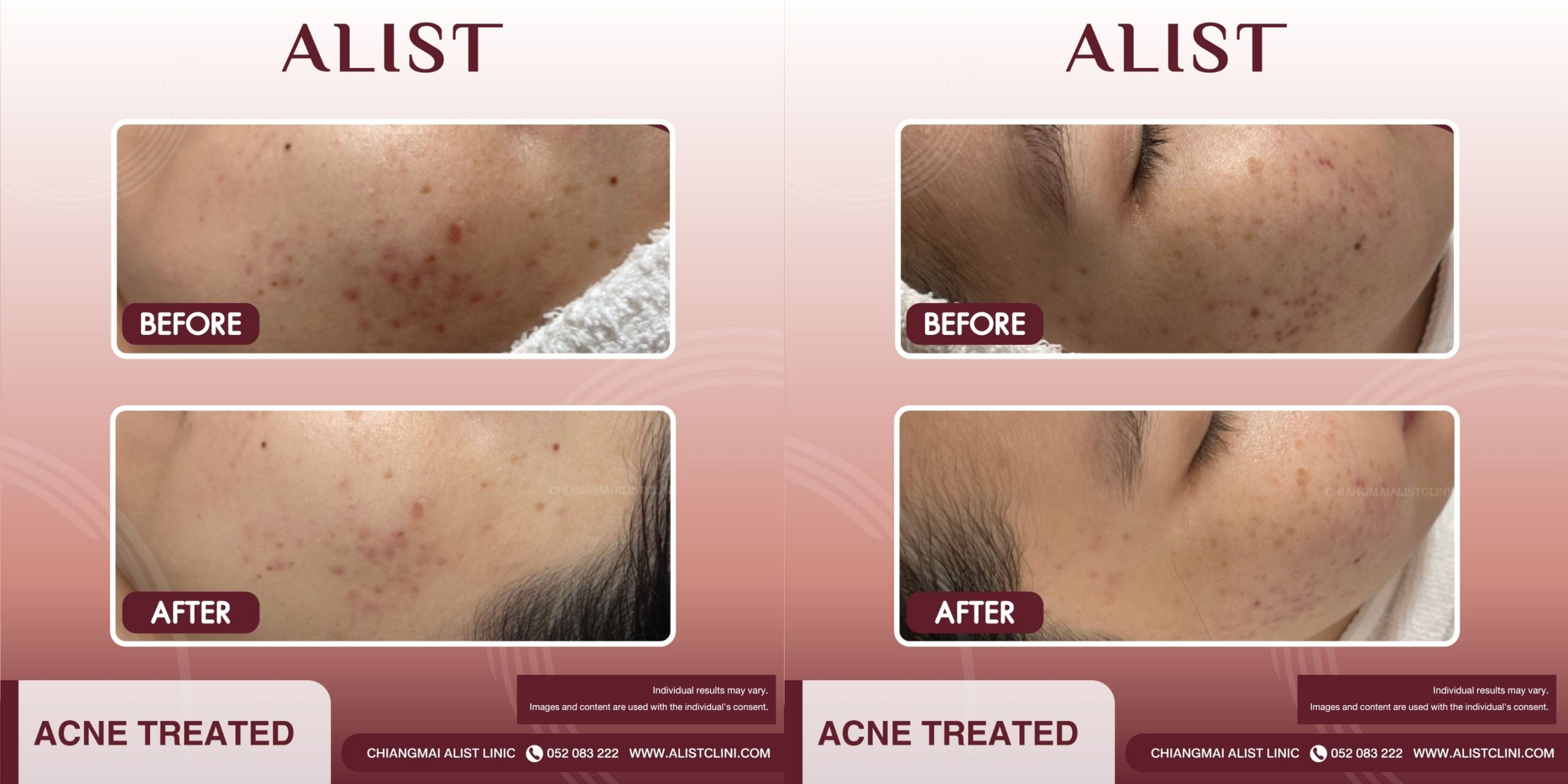
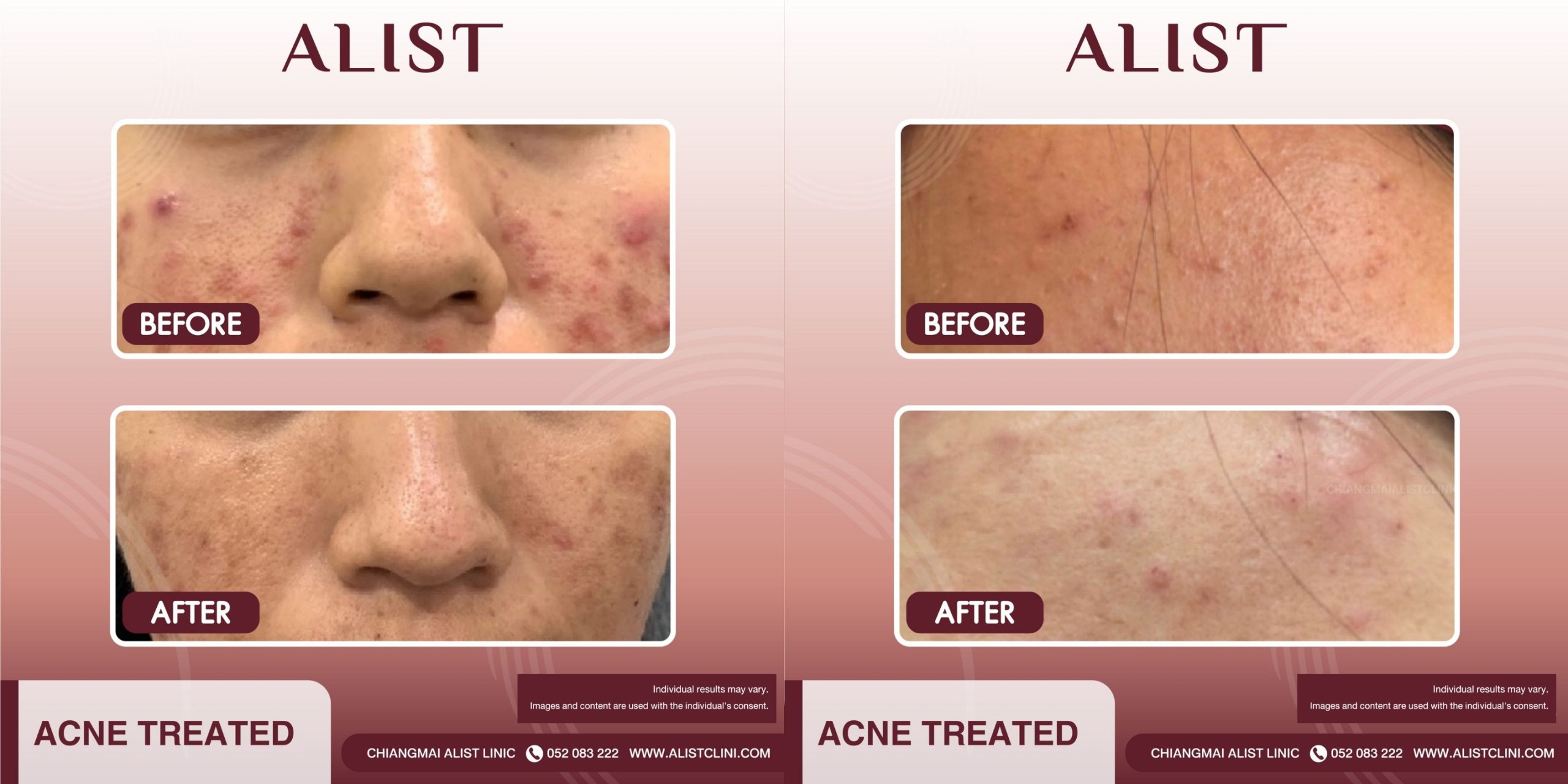
At Chiangmai ALIST Clinic, we believe that acne can be effectively reduced with appropriate care. Our acne treatment and recurrence prevention approach is structured according to the severity and characteristics of each case, and is divided into three main treatment stages, as outlined below.
Month 1: Reducing Inflammation and Restoring Skin Balance
During the first month of acne treatment, the focus is on reducing inflammation and restoring the skin’s balance. A doctor may recommend using a gentle facial cleanser, applying topical acne treatments such as chemical peels, and in some cases, prescribing oral acne medications. This approach helps calm active breakouts, reduce inflammation, and gradually decrease the number of new acne lesions.
*Acne medications should always be prescribed by a medical professional. Self-medicating is not recommended, as treatments may not be suitable for the specific type of acne and may contribute to antibiotic resistance.
Month 2: Skin Recovery, Oil Control, and Prevention of New Breakouts
In the second month, once active inflammation has decreased and acne begins to improve, the focus shifts to restoring the skin barrier and strengthening overall skin health. The doctor may prescribe topical treatments to support skin repair and balance oil production, while gradually reducing oral acne medications in cases where breakouts have significantly improved. This phase helps prevent new acne from forming while promoting healthier, more resilient skin.
Month 3: Treating Redness and Dark Marks, and Strengthening Skin Quality
In the third month, after active acne has cleared and only residual redness or dark spots remain, the focus shifts to improving overall skin quality and resilience. At this stage, doctors may recommend procedural skin treatments to help restore a smoother, healthier complexion. These may include mesotherapy for post-acne marks, skin rejuvenation treatments, vitamin infusions for the skin, and E-Light therapy, all of which can help reduce the appearance of discoloration and even out skin tone.
Recommended Acne Treatment Programs at Chiangmai ALIST Clinic
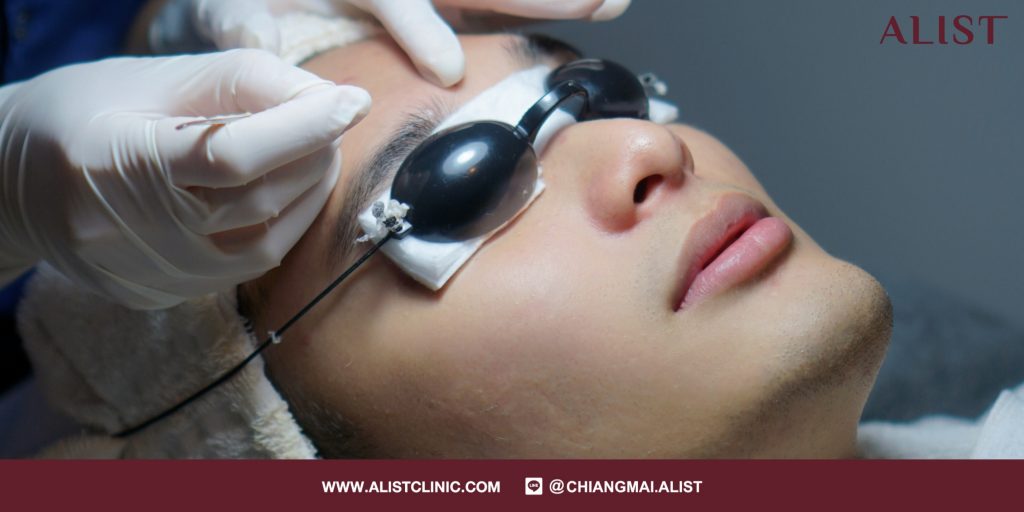
- A-Clear – Deep facial cleansing to remove impurities and excess oil.
- Peel Mask – Gentle exfoliation to smooth the skin and prepare it for further treatment.
- Acne Clear – Professional extraction of blackheads, clogged pores, and deep-seated acne using proper techniques.
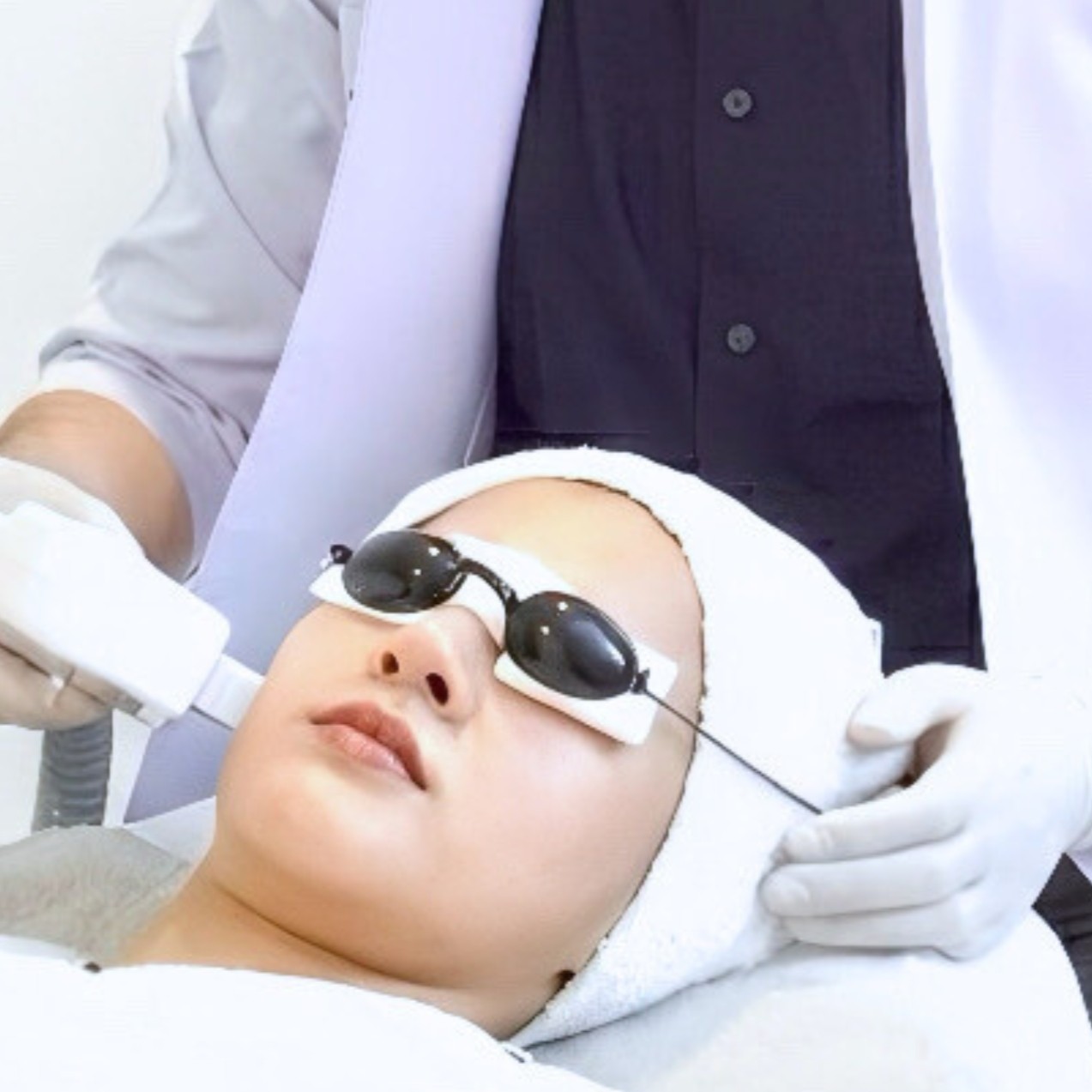
- Bio Light – Light therapy to reduce acne-causing bacteria, calm inflammation, and help control oil production.
- Acne Treatment – Delivery of vitamins deep into the skin to strengthen the skin barrier and support faster recovery.
- Acne Mask – A calming mask that helps reduce inflammation while inhibiting the formation of new acne.
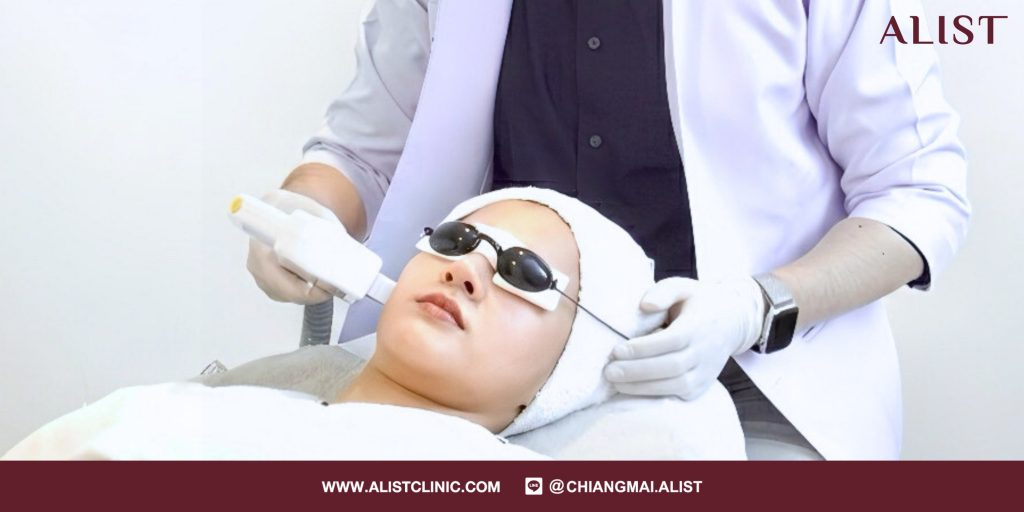
Mechanism of action
Reducing Acne and Acne-Causing Bacteria : Blue Light Therapy helps inhibit the growth of Cutibacterium acnes (P. acnes), the bacteria associated with acne development. The light energy also targets the blood vessels that supply the sebaceous glands, which can help reduce gland size and decrease excess oil production.
Reducing Redness and Dark Marks : Blue Light Therapy can selectively target small superficial blood vessels that contribute to post-acne redness. In addition, it stimulates collagen production beneath the skin, which supports skin repair and helps improve the appearance of post-acne dark spots.
ลดความมันและกระชับรูขุมขน: การทำงานที่ต่อมไขมันจะช่วยลดความมันบนใบหน้า และช่วยกระชับรูขุมขนให้เล็กลง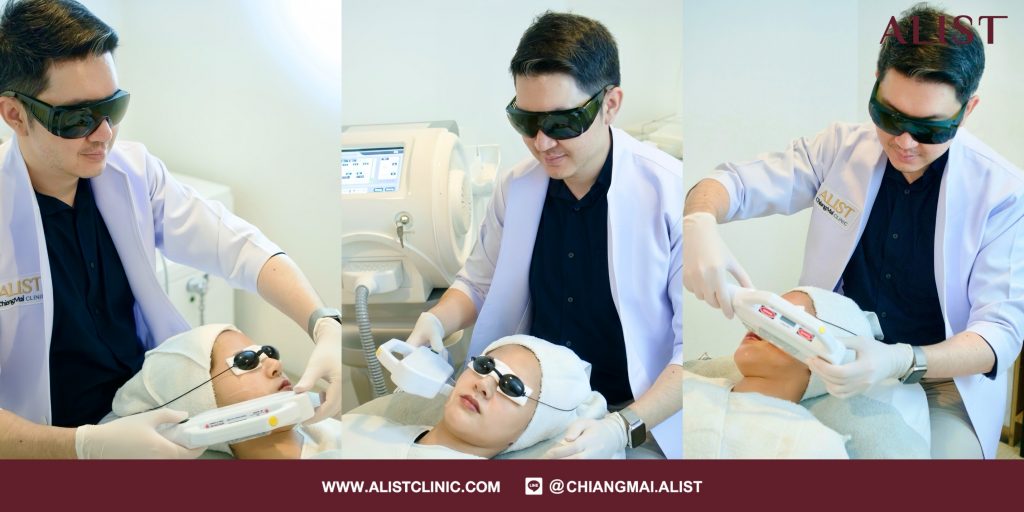
Why Choose Chiangmai ALIST Clinic for Acne Treatment in Chiang Mai
At Chiangmai ALIST Clinic, our focus goes beyond simply “treating acne.” We emphasize restoring skin health from within. Our medical team carefully evaluates the underlying causes of acne on an individual basis and designs personalized treatment programs tailored to each skin condition. We use safe, medically approved technologies with a focus on visible results, while providing ongoing care to help restore skin balance and support clearer, healthier-looking skin over the long term.
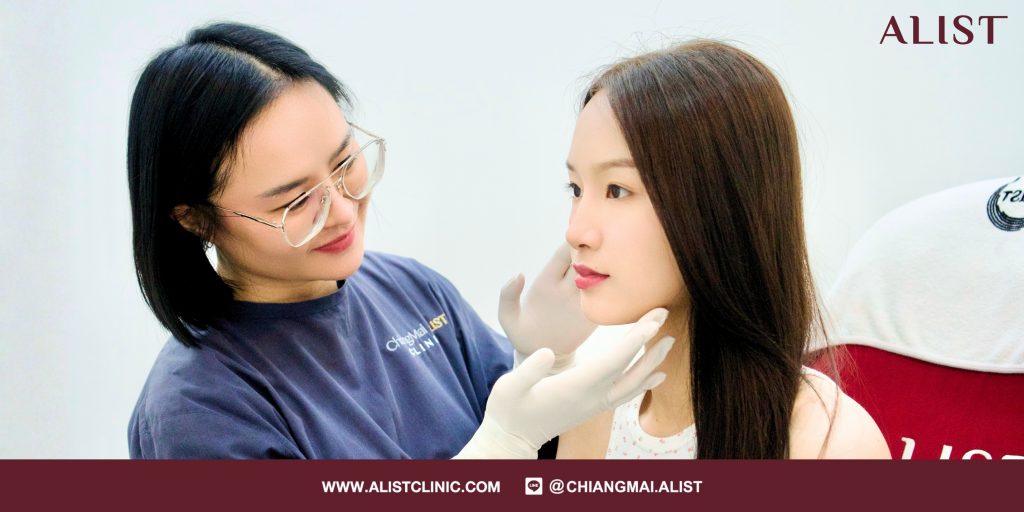
At ALIST Clinic, our medical team places strong emphasis on attentive care at every stage of treatment, beginning with a thorough physician-led assessment. We believe that every individual’s skin is unique. Before any procedure, doctors conduct an in-depth analysis of the skin condition and underlying concerns to develop a treatment plan that is appropriate, safe, and results-driven. Patients can be confident that every treatment and procedure is closely supervised by our medical team, with careful attention to detail to ensure targeted and sustainable outcomes. In every case, if acne has not yet fully improved, we continue treatment and provide ongoing guidance until the patient’s skin condition shows clear improvement.
Book an acne treatment program with Chiangmai ALIST Clinic and regain confidence in your skin.

















 MAYA Chiang Mai